How Angi Lead Distribution Works
When a homeowner submits a roofing request on Angi, the platform sells that lead to multiple contractors simultaneously. Depending on the market and the lead type, the same homeowner's contact information could go to two, three, or four different roofing companies, all at the same time.
This is not a secret. It is the business model. Angi is a lead marketplace, not an exclusive referral service. The contractor who contacts the homeowner first wins the conversation. The ones who respond later are interrupting a relationship that is already forming with someone else.
The average Angi roofing lead is contacted by the first contractor within minutes. If your operation cannot match that speed, you are paying for leads that your competitors are closing.
The Math on Angi Lead Performance
Here is the math that most roofing contractors run at some point when they are frustrated with the ROI from Angi.
The Average roofing ticket in the US is approximately $8,500. The average Angi lead cost for roofing is anywhere between $50 and $90. If your close rate on Angi leads is 10%, you are spending $500-$900 per closed job on lead costs alone before any other expenses. If your close rate is 25%, that same lead spend generates four times the output.
The close rate difference between a roofing contractor who calls back within two minutes and one who calls back in two hours is substantial. Studies on multi-lead distribution consistently show that first contact wins the appointment at a dramatically higher rate than second or third contact. The lead did not get worse between the first and second call. The homeowner's attention and availability did.
Here's a free tool to check your own math.
Why Roofing Contractors Lose on Angi Leads
There are three common failure pathways for roofing contractors on Angi.
- Slow first contact. The lead comes in during a job, during lunch, during a meeting, or after hours. By the time someone tries to call back, the homeowner is already talking to someone else. This is the most common cause of poor Angi ROI, and it is entirely fixable.
- Wrong contact method. Many contractors call leads when they should text first. A homeowner who submitted a form online is in text mode. They are on their phone. A text that arrives within 20 seconds of form submission gets read immediately. A phone call to an unknown number 30 minutes later gets sent to voicemail.
- Insufficient follow-up. Most roofing companies make two or three contact attempts and move on. Research on lead conversion shows that contact rates and close rates keep improving through the fifth and sixth attempts, especially with a mix of call, text, and email. The homeowner who does not answer the first two calls is not necessarily lost. They are often reachable with a different timing or a different channel.
The Role of AI in Fixing Angi Lead Performance
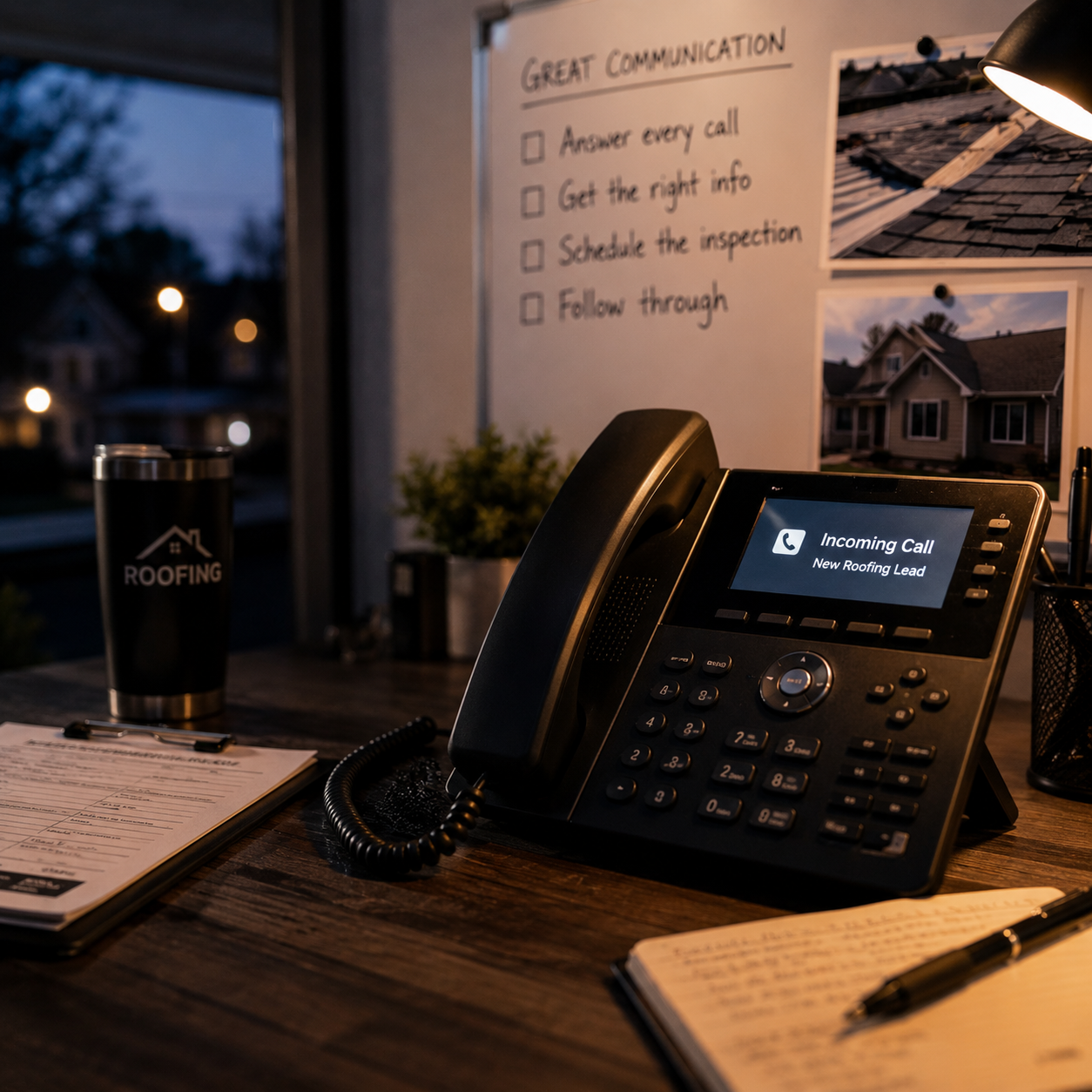
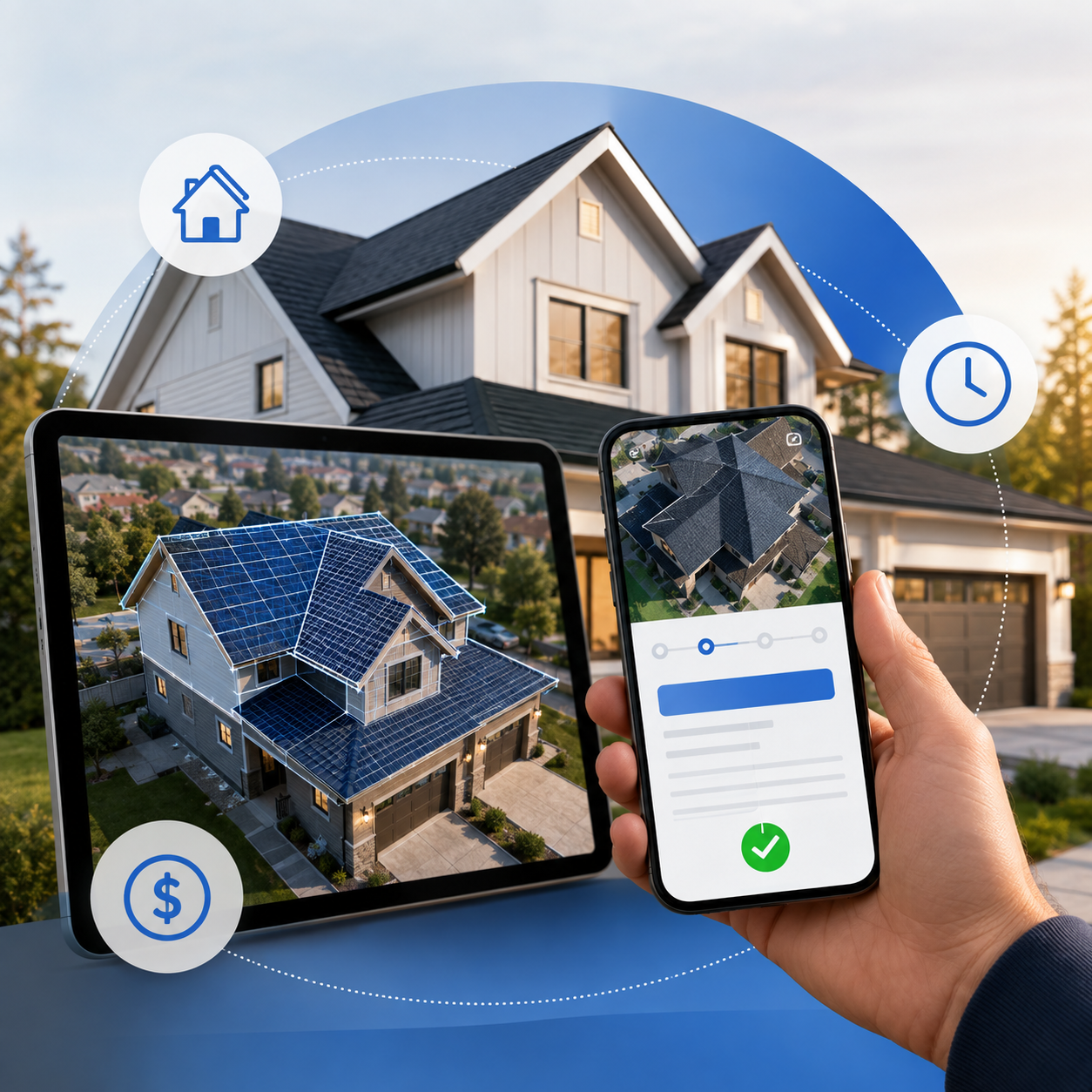
An AI system that responds to Angi leads within seconds of a submission addresses all three failure pathways simultaneously
The moment a lead comes in from Angi, an automated text goes out that greets the homeowner by name, references that they were looking for roofing help, and asks a qualifying question about their situation. The text arrives while the homeowner is still on their phone. The response rate on a text that arrives within 20 seconds of form submission is dramatically higher than a call that arrives two hours later.
If the homeowner engages, the AI agent qualifies them and routes them toward a booked appointment. If they do not respond immediately, an automated follow-up sequence runs over the next seven days across text, email, and call. Every homeowner who submitted the form gets contacted multiple times through multiple channels, which is the follow-up cadence that maximizes conversion on any lead source.
Roofing Insights - Contact Rate vs. Close Rate
There is an important distinction between contact rate and close rate that most roofing companies conflate when they are evaluating Angi performance.
Contact rate is the percentage of purchased leads where you successfully reach the homeowner and have a qualifying conversation. Close rate is the percentage of contacted homeowners who become customers.
Most roofing contractors have solid close rates on the leads they actually reach. Their contact rate is what is broken. If you are buying 50 Angi leads a month and successfully contacting 20 of them, your 40 percent contact rate is the problem, not your 25 percent close rate on conversations.
Fixing your contact rate through faster response and better follow-up can double your closed jobs from the same spend without changing anything about how you sell.
Comparing Angi to Other Roofing Lead Sources
Angi sits in a specefic part of the roofing lead ecosystem. Understanding how it compares to other sources helps you allocate response resources appropriately.
Google LSA leads have higher intent and higher cost. The homeowner searched specifically for a roofer, which means they are often further along in their decision process. Response speed matters enormously, but the homeowner is typically willing to speak with you if you can reach them.
Meta leads have lower intent and lower cost. The homeowner was served an ad, not searching for a roofer. These leads require the fastest possible first contact because the homeowner's interest fades quickly. Text-first response within 20 seconds dramatically outperforms any other approach.
Angi falls between these two. Intent is moderate. The homeowner decided to look for a roofer and took action to find one. Speed matters significantly but slightly less than Meta. The multi-contractor distribution makes first contact more important than almost any other variable.
Organic and referral leads convert at the highest rate but require the least aggressive response infrastructure since the homeowner is specifically looking for you, not a roofer in general. These are the homeowners who are willing to wait in your voicemail for a callback, but why not make the first impression even better by getting to them the first time?
Building a Response System for Angi and all Lead Sources
The most effective approach is not to build separate response systems for each lead source. It is to build a response infrastructure that handles all of them with the appropriate speed and method. With a streamlined process and a very linear system of outreach, you will have a much better idea of what's converting and where to invest your marketing spend.
An AI-driven response system can be configured to handle Angi leads, Meta form fills, LSA calls, website forms, and any other inbound channel through a single integration layer. Each lead type triggers the right response: immediate text for digital form fills, immediate call answer for phone leads, immediate message response for LSA inquiries.
The result is a unified lead response operation that never misses a contact window regardless of the source, the time, or the volume.
What to Do With Angi Before You Change Your Response System
If you are currently paying for Angi leads and are frustrated with the ROI, here is a quick diagnostic before making any changes.
Look at your last 30 leads. For each one, note the time the lead came in and the time of your first contact attempt. Note the outcome: reached and booked, reached and did not book, not reached in three attempts, not reached after seven days.
The pattern in that data tells you exactly where to focus. If most of your unresolved leads fall in the "not reached after seven days" category, your follow-up process needs work. If they fall in "first contact was four hours after lead received," speed to first contact is your problem. If they fall in "reached but did not book," the qualification conversation needs attention.
Most roofing contractors who do this exercise find that their speed-to-first-contact distribution looks like the following: a meaningful percentage of leads receive a first contact within 30 minutes, a larger percentage are not contacted for several hours, and a concerning number are never contacted at all.
Fixing the last two categories is where the revenue is.
Alivo responds to every Angi lead, Meta form fill, and web inquiry in under 20 seconds. Your team receives pre-qualified, pre-booked appointments.
About the Author
Matthew Sanborn is a Process Specialist at Alivo, an AI lead engagement platform for roofing and home improvement contractors. His work includes regular conversations with roofing companies evaluating and operating CRM and lead-response systems.